Securing a residential home, multi-family rental, or commercial building against northern Minnesota structural pests demands cold-climate biological knowledge and durable mechanical remediation. As a primary pest control service Duluth provider, technicians resolve indoor intrusions across St.

Pest Control Service company in Duluth is a structural remediation and biological management provider that inspects, eliminates, and mechanically excludes overwintering wildlife, timber-destroying insects, and nesting rodents across Lake Superior microclimates.
Every service reflects the same meticulous attention to detail, whether it's a single job or a larger pest control service project across Duluth.
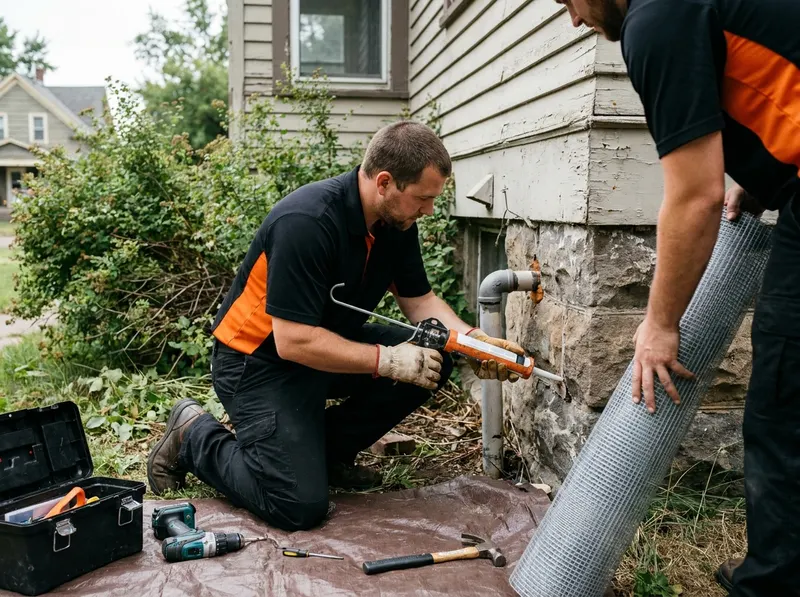
Complete mechanical sealing of structural entry pathways down to 0.25 inches along rubble stone basements, split-granite foundations, rim joists, and roofline soffit eaves. Field mice (Peromyscus leucopus) and Norway rats exploit minor foundation settling voids when cold northern winds drive them off Duluth hillsides. Technicians install heavy-gauge galvanized 0.25-inch hardware cloth, copper mesh batting, and elastomeric structural sealants to close foundation gaps, utility service entry pipes, and basement window headers. Interior management includes sanitary rodent snap-trapping placed along active structural runs, eliminating interior pests without volatile rodenticides or secondary toxicity risks.
Get a quote →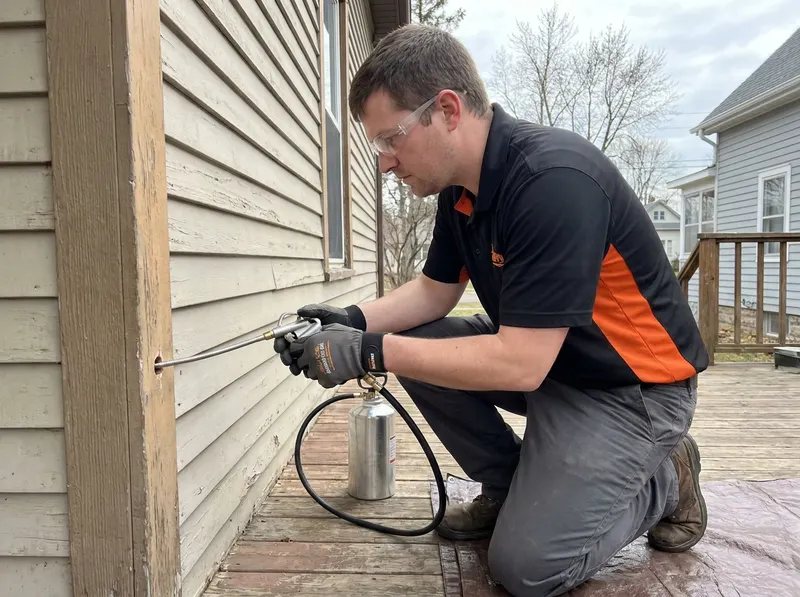
Targeted subterranean and wall-cavity micro-injections using non-repellent liquid transfer agents formulated to neutralize parent and satellite colonies nested inside structural framing. Duluth properties with historic moisture exposure along exterior walls, valleys, or flat roofs are vulnerable to Camponotus pennsylvanicus infestations. Technicians drill pinpoint 0.125-inch inspection apertures directly into targeted wall voids, baseboard framing, and window headers to inject non-repellent transfer actives. Foraging workers unknowingly carry these slow-acting materials back to deep-seated satellite colonies nestled in sill plates, eradicating queens and brood without displacing insects into unaffected living rooms.
Get a quote →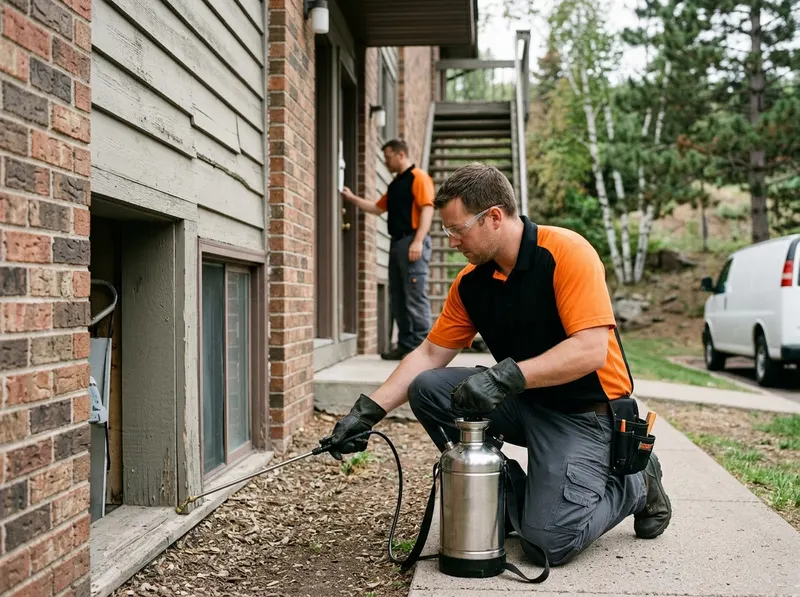
Systematic wall-void barrier treatments, utility chase sealing, and synchronized multi-unit monitoring plans designed specifically for apartment complexes, triplexes, and student housing blocks throughout Duluth. Communal plumbing shafts and electrical conduits create continuous interior highways for German cockroaches (Blattella germanica) and bed bugs. Protocols integrate non-repellent residual applications inside shared mechanical chases, insect growth regulator (IGR) placements, and locked commercial bait stations. Shared living areas receive routine quarterly monitoring schedules to intercept pests before infestations spread across adjoining tenant leases.
Get a quote →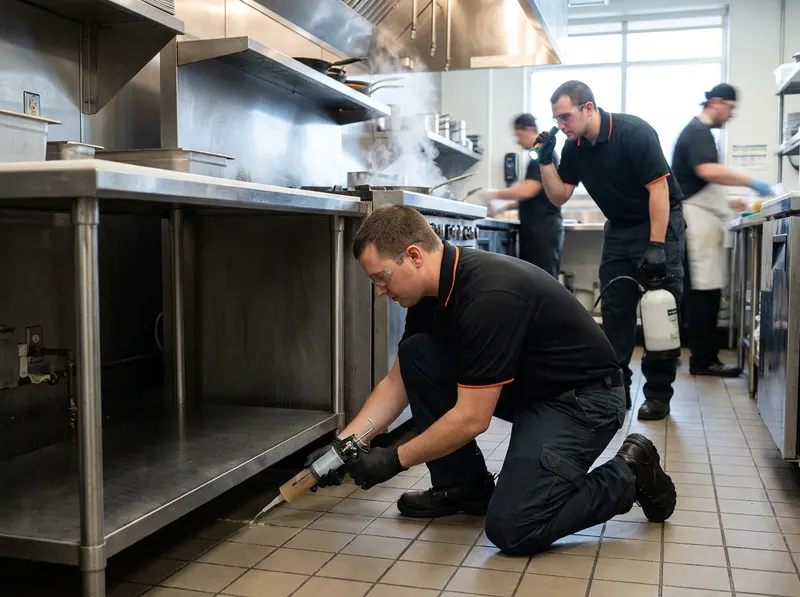
Sanitation-focused insect baiting programs, targeted insect growth regulators, and bio-enzymatic drain line treatments engineered for commercial kitchens, breweries, and food handling establishments. Commercial food preparation surfaces demand non-volatile formulations that eliminate fruit flies, drain flies, and German cockroaches without chemical drift. Technicians apply specialized food-grade gel baits into structural joints, grease lines, and under-counter equipment seams. Biological foam applications break down organic kitchen scum inside floor drains, eliminating fly breeding sites at the root while ensuring local health code compliance.
Get a quote →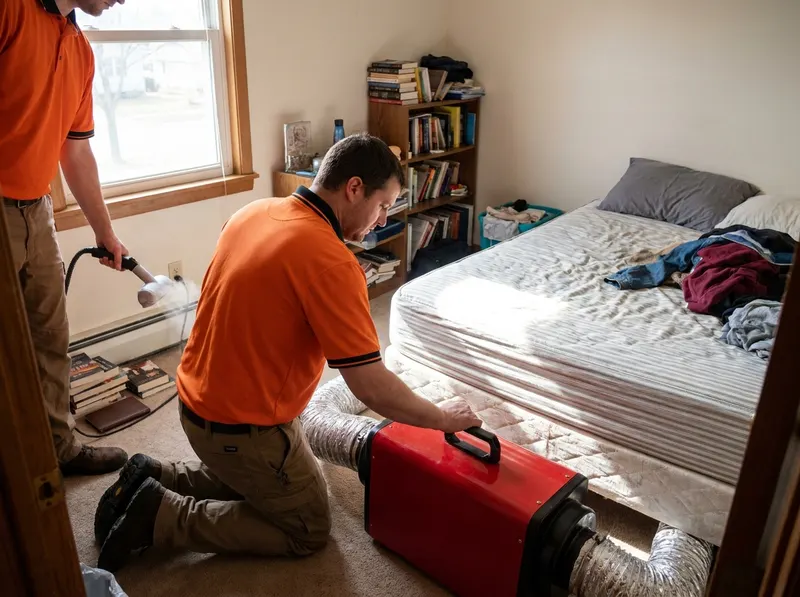
Precision multi-stage eradication combining high-output heat treatments with targeted structural crack-and-crevice desiccant dust applications. Cimex lectularius populations harbor inside mattress tufts, headboards, baseboard crevices, and behind electrical faceplates. Technicians execute methodical room inspections, followed by targeted thermal applications reaching lethal kill thresholds above 122 degrees Fahrenheit or targeted chemical contact applications combined with amorphous silica gel dust. This dual-action protocol penetrates deep mattress seams and wall cavities, eliminating all developmental life stages, nymphs, and heat-resistant bed bug eggs.
Get a quote →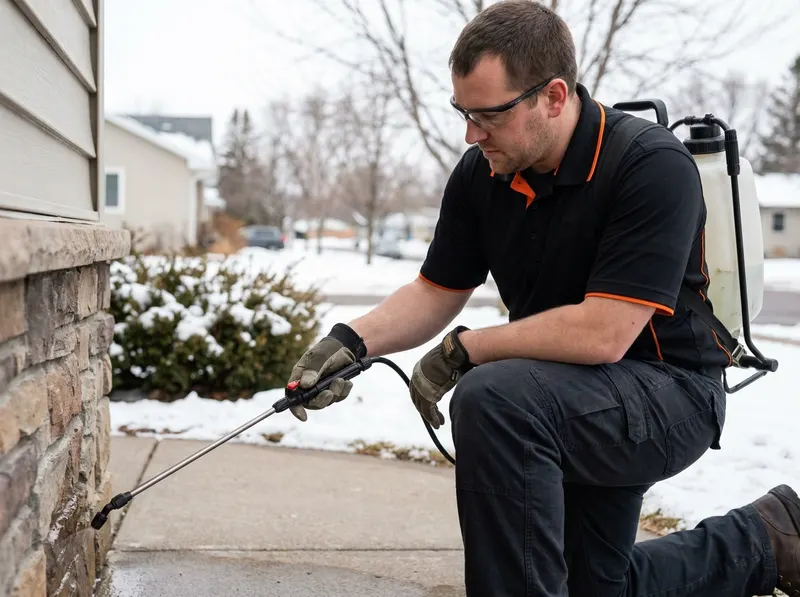
Preventative liquid perimeter barriers applied 3 feet up foundation masonry and 3 feet outward onto perimeter soils to block seasonal overwintering insects. During late summer and autumn, boxelder bugs, cluster flies, and multi-colored Asian lady beetles mass on warm south-facing architectural siding across Duluth before seeking indoor winter refuge. Technicians spray micro-encapsulated formulations around door thresholds, basement egress windows, crawlspace vents, and soffits. This durable residual barrier resists sun degradation and rainfall runoff, neutralizing seasonal invaders before they cluster inside wall insulation.
Get a quote →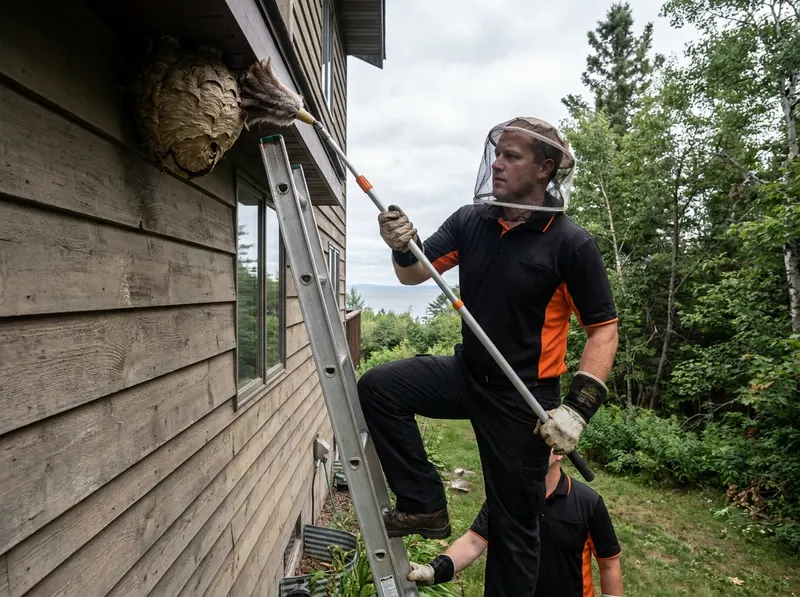
Direct mechanical removal and targeted high-reach aerosol void treatments engineered to eliminate aerial yellowjackets, bald-faced hornets, and paper wasps nesting under roof eaves, soffits, and deck framing. In late summer, Duluth stinging insect colonies peak in population and display heightened defensive aggression near high-traffic entry doors and residential decks. Technicians utilize specialized telescopic application equipment to treat the active nest core directly, neutralizing workers and developing larvae before physically detaching the structural nest comb from the building.
Get a quote →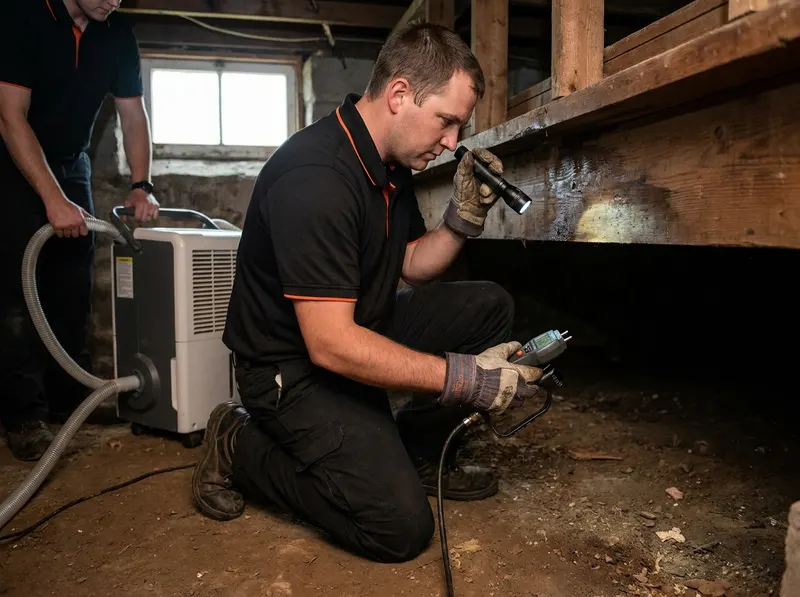
Targeted environmental remediation of moisture-dependent structural pests including camel crickets, silverfish, sowbugs, and fungus gnats inhabiting damp basement slabs and dirt crawlspaces. High ambient humidity common near Lake Superior creates persistent surface dampness across stone foundation walls. Technicians apply low-toxicity mineral borate dusts into joist pockets, distribute micro-encapsulated residuals along sill plates, and install monitoring stations to control crawling populations while reducing insect-driven structural decay in subfloor framing.
Get a quote →You get a firm, itemized quote for your pest control service before any work begins, no surprises, no pressure.
Careful prep, tidy work, and a full cleanup when we are done. We treat your home and belongings like our own.
The same trusted, background-checked team from the first call to the final check.
Selecting structural remediation depends strictly on building architecture, foundation construction, pest biology, and Duluth freeze cycles. If your property presents nocturnal scratching noises inside ceiling cavities, exterior wall chases, or basement crawlspaces during autumn cold snaps, select comprehensive mechanical rodent exclusion coupled with interior snap-trapping lines. 5 inches foraging across kitchen trim, select carpenter ant void injection protocols.
The operational trade-off is mechanical exclusion involves permanent physical adjustments to foundation penetrations, mortar joints, and roofline vents to prevent physical ingress, whereas targeted void micro-injection neutralizes living biological colonies without fortifying physical building envelopes against future external migrations. If you manage high-turnover multi-family housing or student rental apartments near the University of Minnesota Duluth (UMD) and The College of St. Scholastica, select quarterly perimeter defense and mechanical pipe-chase sealing over isolated one-time emergency applications.
One-time spot treatments eliminate visible adult insects within a single apartment unit but routinely displace surviving populations through unsealed utility chases into neighboring walls, causing recurring infestations when outdoor ground temperatures plummet below 32 degrees Fahrenheit.
Every project gets a firm, written price after a free on-site visit. Ranges below for orientation.
Tell us about your pest control service job and we'll send a clear, written quote, usually the same day. Or just call and talk to a real Duluth pro.
(218) 520-6106
Duluth properties encounter distinct microclimate dynamics driven by the thermal mass of Lake Superior and steep elevation changes across the rocky hillside. In lower-elevation lakeside zones such as Congdon Park, Lakeside-Lester Park, Endion, and the narrow sand spit of Park Point, elevated relative humidity and fog roll off the lake throughout spring and summer, elevating moisture content in wooden framing, subfloors, and cedar siding. This wood dampness accelerates cellulose decay and creates optimal nesting habitat for carpenter ants, which excavate satellite galleries inside window frames, structural floor joists, and porch framing. Moving up the bluff toward Piedmont Heights, Duluth Heights, Kenwood, and around the University of Minnesota Duluth (UMD) campus, homes sit directly atop exposed basalt ledge-rock and thin glacial till. When autumn temperatures plummet and early freeze cycles strike between September and November, ground-dwelling deer mice, meadow voles, and house mice migrate off granite outcroppings and wooded ravines along Chester Creek and Oregon Creek, following structural thermal signatures directly toward residential foundations. Older residential homes across West Duluth, Lincoln Park, and Morgan Park frequently feature split-granite, fieldstone, or unreinforced masonry basements built during the early twentieth century. Over decades of ground freezing and thawing, mortar joints crack and wash out, creating sub-inch gaps that serve as natural entryways for rodents into insulated basement headers. Remediation across Duluth requires physical exclusion methods tailored to cold climates, including 0.25-inch galvanized wire mesh, masonry-anchored flashing, and elastomeric sealants that do not crack under sub-zero northern winter conditions, rather than temporary superficial foam sprays that rodents chew through within hours.
Free estimates for Duluth & the surrounding area.
 Virelza Pest Control